All Private Sector & Development magazine articles
Reducing gender inequality: approach by a bank
Gender inequalities in Panama are still prevalent and women’s participation in the country’s economy is still low. Despite government intervention to address these inequalities, private sector involve...
Published on
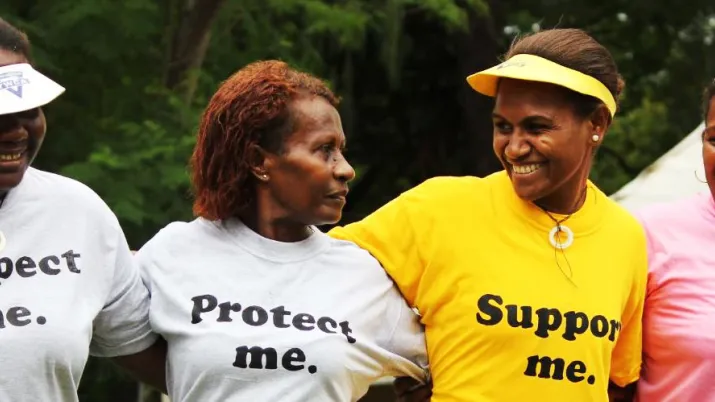
What the 2X Challenge is teaching us about gender lens investing
Almost two years after its launch, we look back at the 2X Challenge initiative, which aims to increase capital flows towards private sector initiatives that benefit women.
Published on

Women’s investment: financial instruments promoting inclusive economic development
Despite having one of the highest levels of women entrepreneurs in the world, the economic potential of women in Africa remains undervalued. This is in particular due to a range of financing that does...
Published on
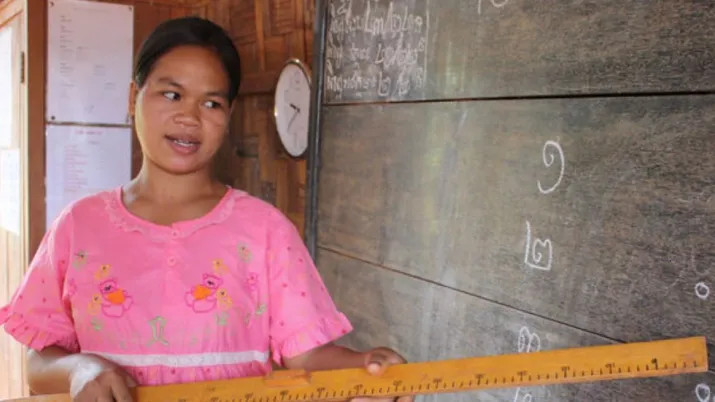
Gender and climate: levers for sustainable development
Women are first in line when it comes to tackling climate change. Whether they are involved in producing and managing resources or in climate negotiations, women are fully-fledged stakeholders in the...
Published on
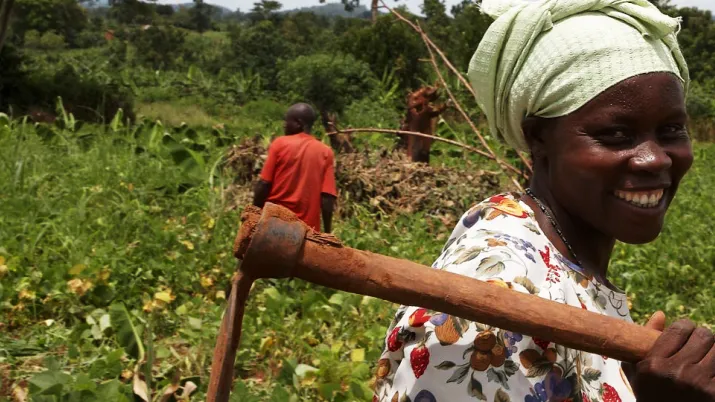
Empowering women through financial inclusion: the case of Tunisia
Cultural and social constraints on women are still very much alive in Tunisia and continue to check their considerable economic potential. Enda understood this from the outset in 1995 and it provides...
Published on
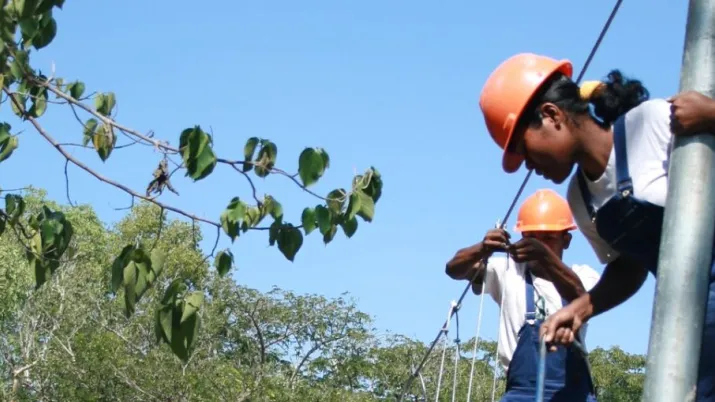
The private sector: a key player in reducing gender inequalities
Enabling women to become agents of social and economic change in Pakistan is the main objective of the Kashf Foundation. Since 1996, it has been providing microcredit and loan offers specifically for...
Published on
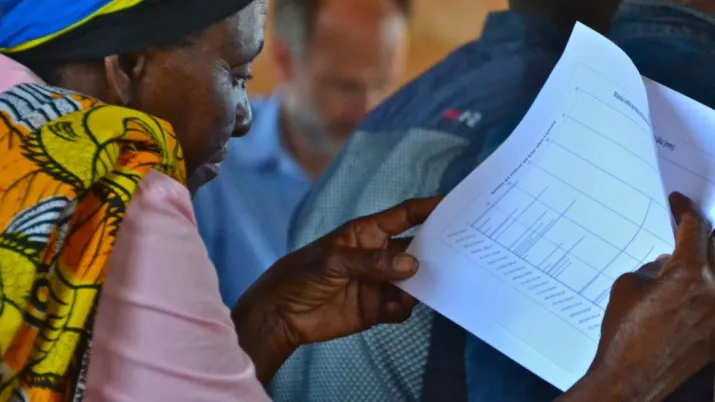
How can general impact investors tackle gender-related issues?
Gender equality is a crucial component in achieving the UN’s sustainable development goals (SDGs) and more and more investment funds and stakeholders in the finance arena are starting to factor it int...
Published on

Twenty-five years after the Beijing Conference, achievements and persisting gaps
Over the past 25 years, undeniable achievements have been made in the field of gender equality and the promotion of women’s rights and opportunities. But this progress is still far too slow: at the cu...
Published on
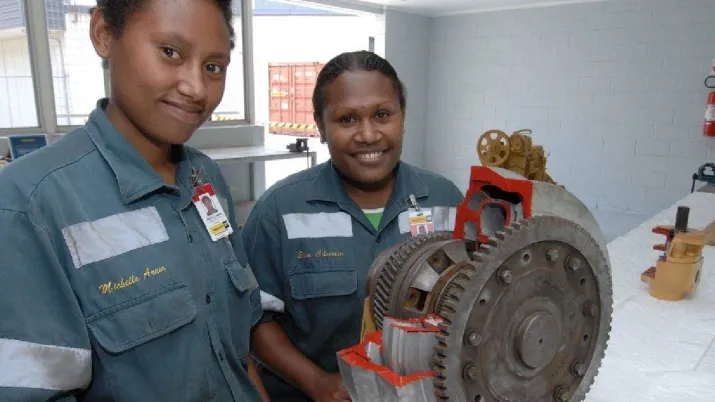
A key ingredient for Africa’s growth: investing in women entrepreneurs
Bridging gender gaps requires identifying and implementing programs and policies that target the specific constraints that women entrepreneurs face, and working with all actors in the private sector,...
Published on

The private sector and cross-cutting gender issues in UN Sustainable Development Goals
In order to achieve the Sustainable Development Goals ( SDGs) by 2030, the public policies of the signatory states have been placed at the heart of the mechanism. But the private sector has an undenia...
Published on

Does entrepreneurship really empower women?
Concerns about gender inequalities and, more generally, women’s empowerment around the world are today central development issues. Empowerment is also increasingly seen through the prism of women’s en...
Published on
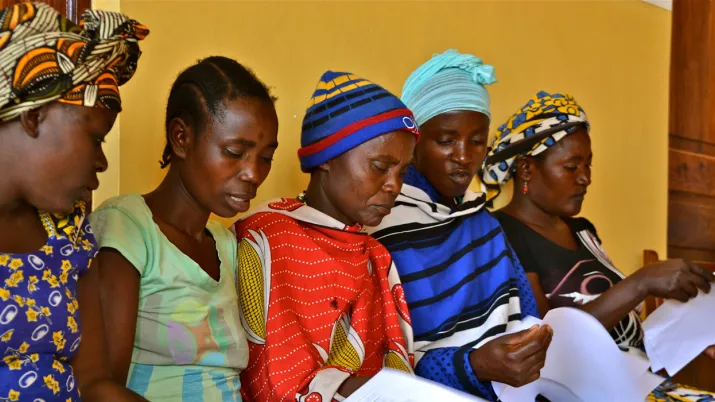
Are digital technologies set to revolutionise SME financing in Africa?
According to Aiaze Mitha, an entrepreneur and Fintech expert, the many digital innovations that are emerging and already exist could transform each stage of the financing value chain, opening a new er...
Published on

Mentoring and support: A key element in the sustainability of SMEs.
While there is a need for more research in the area of entrepreneur mentoring in Africa, the existing research shows a return on mentoring investment (ROMI) in the form of economic growth through reve...
Published on
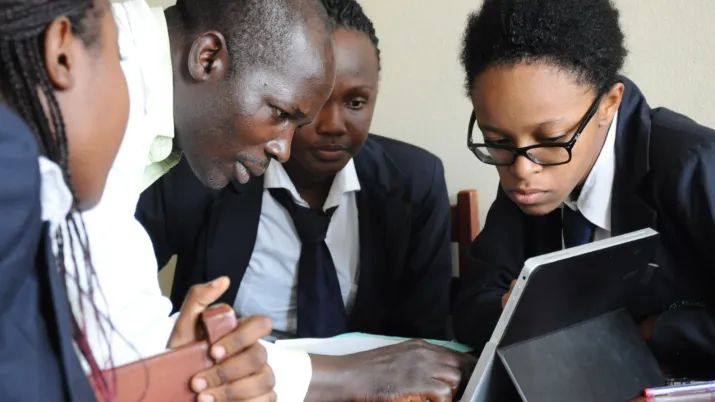
Cameroon: 90% of the labor force trapped in the informal sector
The informal sector occupies a disproportionate position in Cameroon. While it ensures the survival of many workers, it prevents the country’s development by maintaining low incomes and reducing its t...
Published on
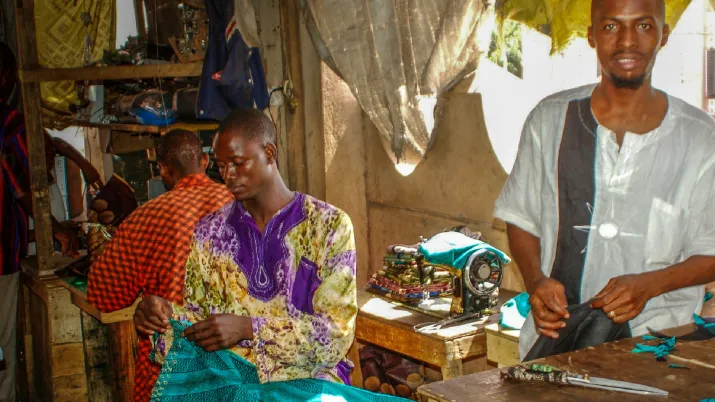
SME Finance as seen by regulators : Focus on Sub-Saharan Africa
Access to finance for African SMEs is a key challenge. Through this article, the Alliance for Financial Inclusion (AFI) aims to share the experiences and practices of member countries that have implem...
Published on
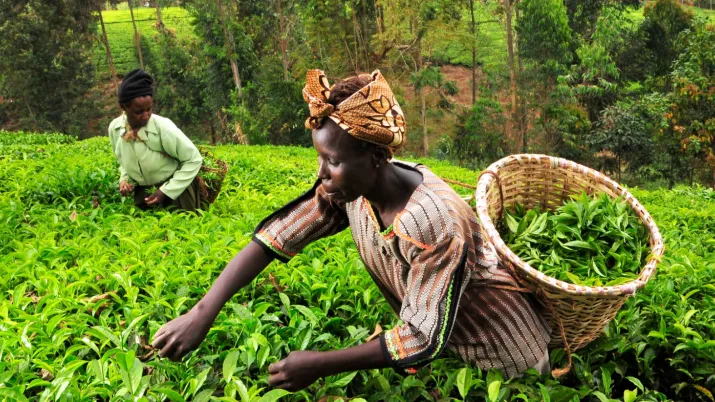
Digitisation in Africa: Channelling Funding to SMEs
Could innovation emerge from near destruction? Would the digitisation that led to the global financial crisis preclude SMEs from obtaining the finance they needed to continue playing the crucial role...
Published on
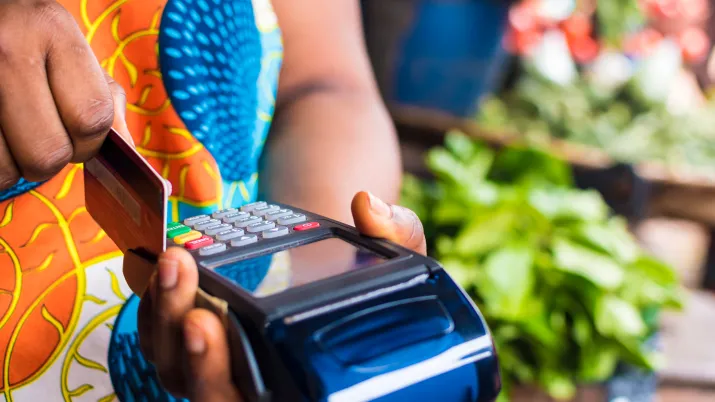
What are the main reasons for micro-business and SME loan default in Sub-Saharan Africa?
Micro- and small- and medium-sized businesses (micro-businesses and SMEs) are a vital part of Sub-Saharan Africa’s economic fabric but frequently suffer from poor access to funding and this represents...
Published on
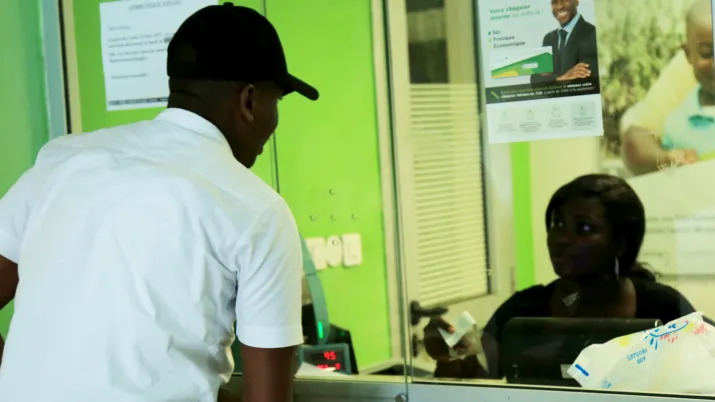
Realising Africa’s Potential: SME Finance and Skills
African SMEs have the potential to provide jobs for their working-age youth. Yet there are key impediments – access, risk, regulation and acumen – to them receiving financing. Addressing the perceived...
Published on

Equity investment to bring to scale: An interview with two financed SMEs
As we have repeated on a number of occasions in this issue – and the different articles have borne this out – access to funding is one of the key challenges and obstacles to the development of SMEs in...
Published on

Equity investment to bring SMEs to scale: An interview with two African fund managers
SMEs in Africa remain heavily reliant on internal resources and traditional bank debt. A lack of appropriate forms of finance – especially of the equity type – limits market entry, long-term investmen...
Published on