
All Private Sector & Development magazine articles
Placing contract farming in the service of development, food security and equality
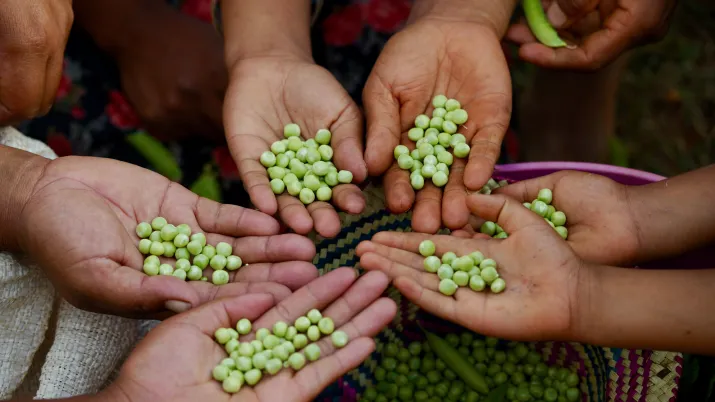
The 2022 Global Report on Food Crises estimates that at least one in five Africans goes to bed hungry, and an estimated 140 million people in Africa face acute food insecurity. The Horn of Africa, in...
Published on
Farm Credit Armenia, a finance cooperative for food security
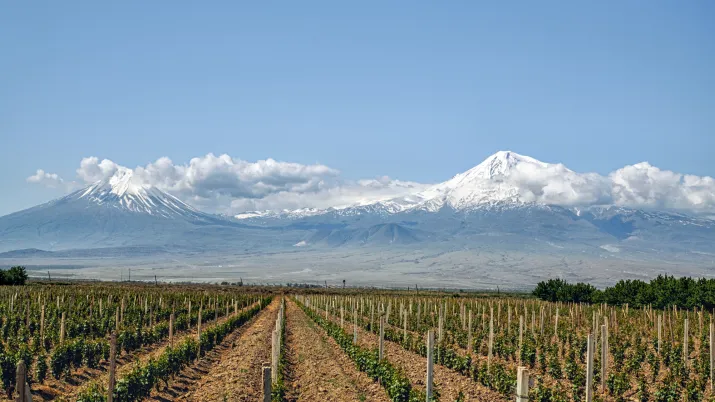
FCA is Armenia’s sole agricultural credit cooperative. It supports – with the aid of an AFD Group 1.5 m euro loan – its clients, the members, owners, participants, and beneficiaries of the cooperative...
Published on
To impact food security, investors must understand farmers’ resilience to climate change
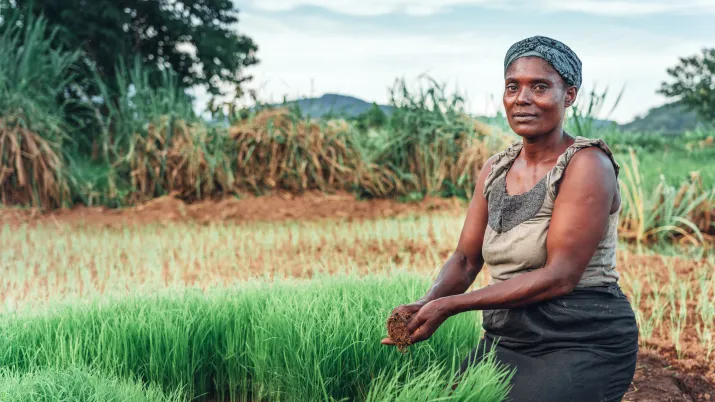
In recent years, unprecedented shocks - climate change, Covid-19 and supply chain disruptions - have changed the trajectory of progress on global food security. Acute food insecurity increased by 33 p...
Published on
Tapping into the private sector for food system transformation
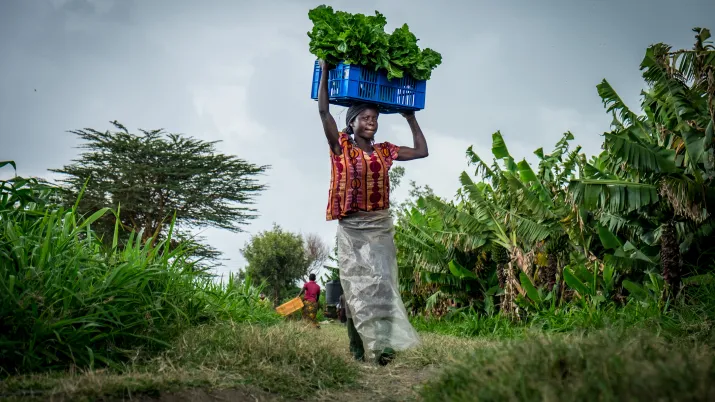
To attain SDG 2 (Zero Hunger), sustainable food systems – including small-scale farming, agri-SMEs, and local food processing – will require structured development. This necessitates private engagemen...
Published on
Proparco’s Trade Finance Programme: a concrete solution to supply challenges
Financing international trade through the banking system is essential to facilitating trade between countries. While this type of financing is readily available in developed economies, certain Souther...
Published on
Public policies, essential to the development of agri-food sectors
In sub-Saharan Africa, the development of high-performance agri-food chains will be contingent on stronger smallholder farms. Training, advice, financing of agriculture, supply chain structuring and c...
Published on
Towards food security in Yemen: HSA Group in concert with the UN, DFIs and international NGOs
Against a background of conflict and widespread food insecurity in Yemen, the country’s HSA Group continues to work in partnership with UN agencies, DFIs and international NGOs. HSA Group’s work with...
Published on
Food systems to nourish the fastest-growing population
Nourishing the world’s fastest-growing population worldwide will involve transforming its food systems to enable food supply. Expanding Africa’s food basket will serve both nutrition and resilience ob...
Published on

A network of central banks and regulators committed to climate action
The financial sector is increasingly mainstreaming climate-related risks into its analyses, in particular through the action of the NGFS, an international network of central banks and regulators. Deta...
Published on

Collaborating to accelerate investment in climate adaptation and resilience
While there is an urgent need to step up action on climate adaptation, the action is not in step with the need. This is especially true of the required financing, particularly from the private sector....
Published on

How cities can focus their climate adaptation and resilience actions
More than half of the world’s population lives in cities – and all are at risk from increasing climate change impacts ( floods, storms, extreme temperatures, among others) due to warming at alarming l...
Published on

Helping financial institutions to scale up climate change adaptation for increased resilience
The financing of adaptation measures has not become widespread up to now due to a number of obstacles. These include – but are not limited to – insufficient harmonization of practices and terminology,...
Published on
Investing in nature for water security: the power of collaboration
Around the world, the impacts of climate change are increasingly being felt and have become impossible to ignore. Stories of increased drought, more intense storms, and changing rainfall patterns are...
Published on

Private sector action in analyzing climate risk data
Climate change is part of our daily lives. It must no longer be considered as a problem of the future but as a current challenge: it is essential to adapt our societies and systems. Private sector pla...
Published on

How Seed Co Group is tackling climate change in Zimbabwe
Farmers in Southern Africa are grappling with the hazards of climate change and reduced rainfall. Seed Co Group – a company based in Zimbabwe – is attempting to provide them with solutions by developi...
Published on
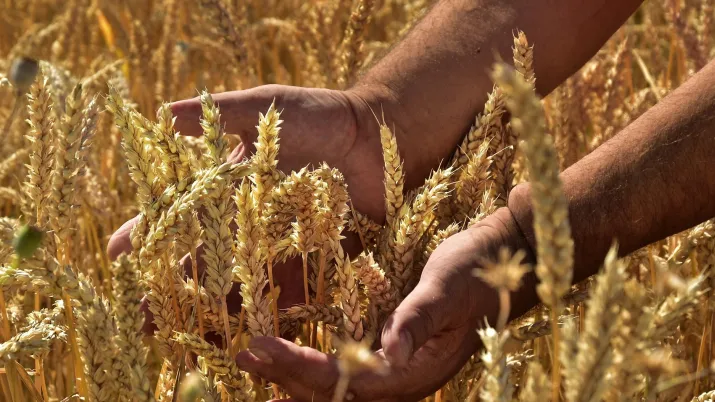
How important is adaptation finance for a just transition?
Climate adaptation entails responding to climate impacts that result in deteriorating living conditions. It requires private sector investment to scale alongside public investment, to supplement publi...
Published on
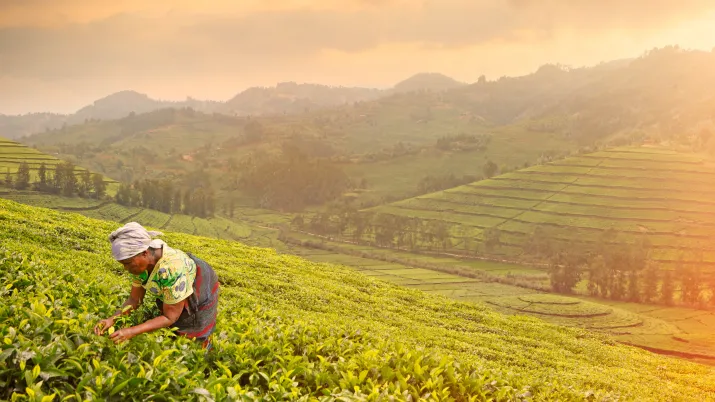
What indicators for finance devoted to climate change adaptation?
Adaptation is by definition the response to a shock – in this case a climate shock. But if this issue is not identified and taken into account in the business practices and procedures of private playe...
Published on

A model of resilience: Brazil’s leading private sanitation provider
Thanks to its business model – aligned with ESG principles – Aegea has become the leading private sanitation company in Brazil, servicing 154 cities in 2022 (up from 6 in 2010). Providing sanitary sew...
Published on
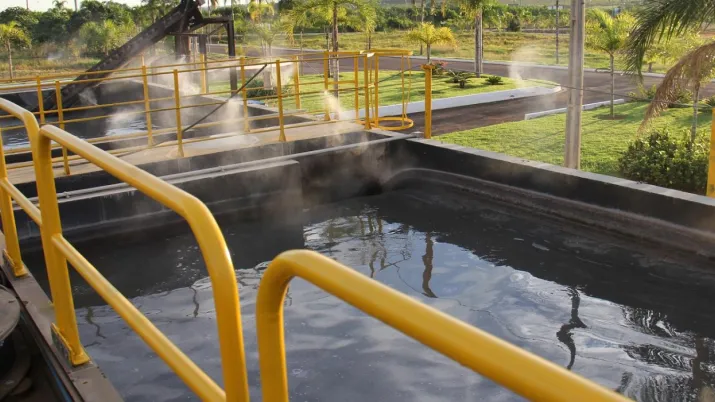
Financing adaptation: the private sector’s role
The climate crisis has become increasingly evident in the last five years. Its alarming effects are also becoming more apparent. Thus, it has become clear that the actions taken to adapt to global cli...
Published on
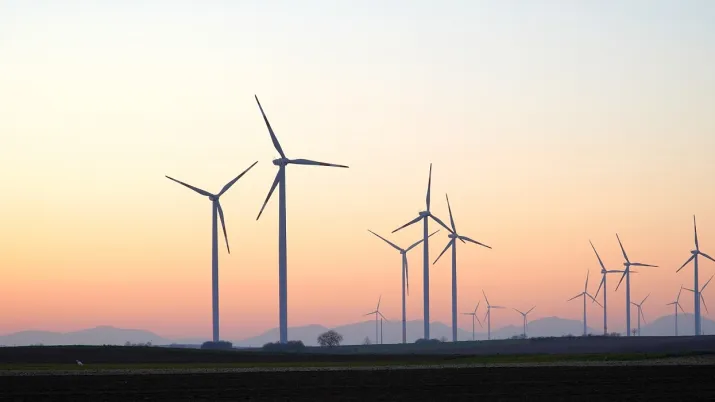
Building inclusive, green and resilient economies
Recovery from the Covid-19 pandemic has provided countries with a unique opportunity to 'build back better'. Leveraging this opportunity will entail ensuring that stimulus and policy packages are both...
Published on