All Private Sector & Development magazine articles
From the dream of a cashless Africa to a constantly expanding start-up: the Zoona story
Founded in 2009, the Zambian start-up Zoona is now in full expansion. Like all venture capital-backed start-ups, Zoona has been through its fair share of ups and downs. Its founder Mike Quinn gives us...
Published on
Supporting start-ups in Africa: Schneider Electric’s approach
In Africa, Schneider Electric implements a strategy based on supporting innovation, by taking a commercial approach tailored to people’s needs, managing two specialized impact funds which focus on soc...
Published on
Why and how does Orange finance innovation in Africa?
Africa, which has already experienced some entrepreneurial success stories, is powering up and seeing the emergence of a new generation of entrepreneurs in innovation. However, digital Africa still fo...
Published on

Supporting digital innovation ecosystems: what role for DFIs?
When it is properly supported, digital innovation can act as a powerful catalyst for achieving sustainable development goals (SDGs). Innovation dynamics are very important in Africa and play a key rol...
Published on

What role can DFIs play in promoting the development of the African venture capital ecosystem?
Over the past few years, a number of DFIs have announced the launch of venture capital investment programmes for Africa – initiatives that should help promote start-up activity across the continent, a...
Published on

Start-ups and digital innovation: fertile ground for social transformation in Africa
Social innovation in Africa is currently closely bound up with the digital revolution. To generate economic development that benefits as many people as possible, the digital sector must conserve all o...
Published on

Why are there so few unicorns in Africa and what are the key factors for success to help them emerge?
VC-backed African companies have just completed their first life cycle. The prospect of Africa generating unicorns is optimistic but achievable: it offers giant underserved markets, its companies and...
Published on

Venture capital in Africa: the long-term opportunity for investors
With a high population growth rate and a significantly rising GDP between 2007 and 2016, Africa undoubtedly represents a strong potential for investors. And despite some gaps, the venture capital mark...
Published on

(Français) Hôtellerie en Afrique subsaharienne : quels impacts sur le développement durable ?
Il semble essentiel d’accompagner le secteur hôtelier en Afrique subsaharienne au regard de son attractivité. Ce secteur particulièrement dynamique en Afrique présente de nombreux impacts en matière d...
Published on

Counterfeit drugs – a global public health scourge
Along with Asia and Latin America, Africa is currently one of the regions most affected by the trade in counterfeit drugs which account for almost one-third of pharmaceutical products on sale in these...
Published on

Local production of medicine and accessibility challenges: the example of Pharmivoire Nouvelle
Pharmivoire Nouvelle is a pioneering manufacturer of medical intravenous solutions in Côte d’Ivoire. Its 25 years’ experience are proof that locally-based production of pharma products is a realistic,...
Published on
Quality medicines in Africa: the importance of good knowledge of the supply chain and synergy between regulato...
Pharmaceutical production grew globally over the last decades: active ingredients and finished products are manufactured across different regions, and circulate through multiple distribution channels....
Published on

Patent pooling mechanism: promote innovation and improve access to medicines in Africa
"Public health" oriented licenses and patent pooling in Africa promotes research and production of affordable, high quality generic treatments for AIDS, hepatitis C and tuberculosis.
Published on
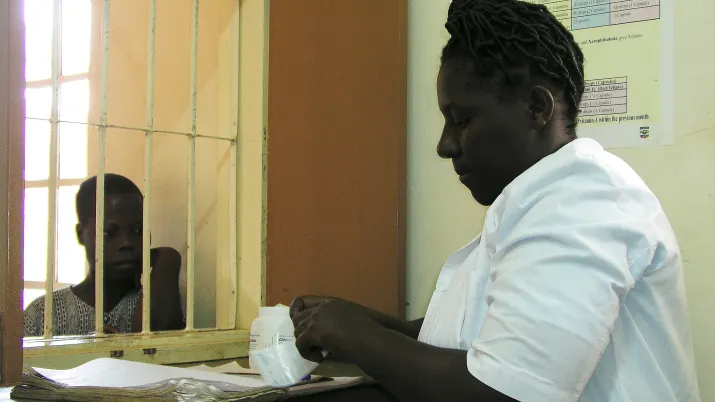
Regulating African pharmaceutical markets in order to structure and develop the local economy more effectively
The market for medicine is one of the world’s most closely regulated: each country has its own system for vetting new products and in Europe for example, certain accreditations can open the door to th...
Published on

From Warehouse to Patient: mPharma’s Approach to increasing the Accessibility of Medicines in Africa
Since 2013, the start-up mPharma has been trying to build an infrastructure and a drug monitoring system to connect patients, hospitals and pharmacies. The objective is to enable doctors to know the e...
Published on
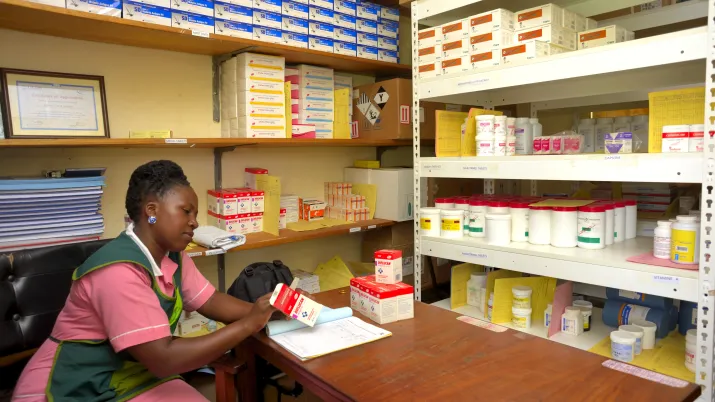
The essential transformation of supply chains in the sub-Saharan pharmaceutical sector
In Sub-Saharan Africa, integrated technology-enabled distribution networks can increase access, enhance quality and lower the prices of medicines.
Published on
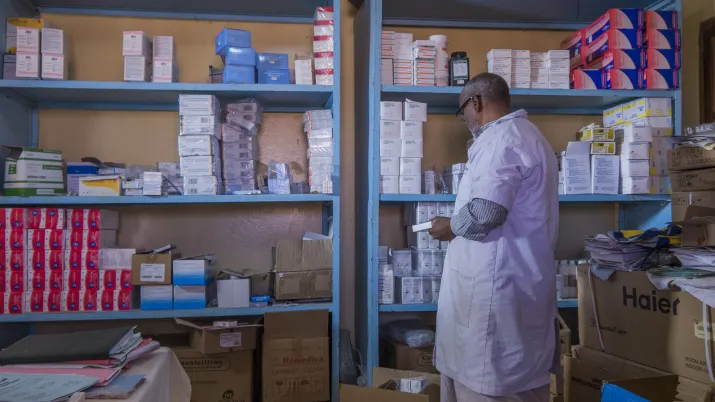
Helping the pharmaceutical industry meet health challenges in Africa
With 13% of the world’s population and 24% of the global burden of disease – but 6% of health expenditure and only 3% of the world’s pharmaceutical output, Africa faces the challenge of access to qual...
Published on
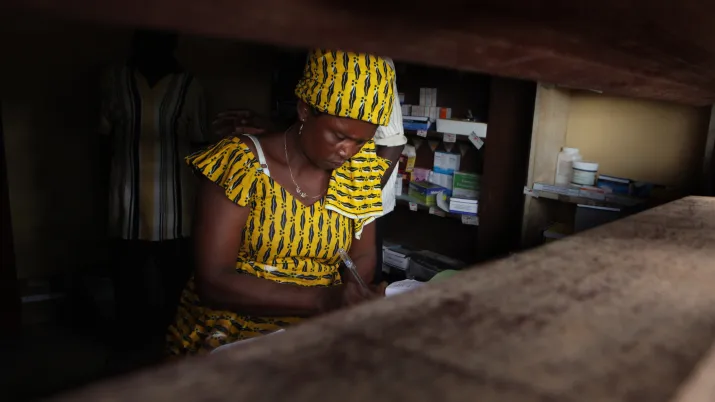
The obstacles to local production and access to treatment in Africa
Access to proper medicine is a major challenge for African countries. While the global market is mature and highly profitable, the African Continent has been left far behind despite enormous needs and...
Published on
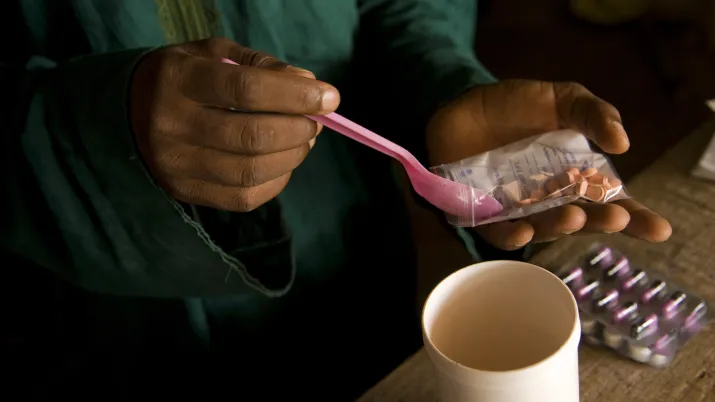
The private sector and pharmaceutical industry in Africa
Providing access to quality medicines still poses a number of challenges in Africa. Distribution channels are often fragmented, with a large number of intermediaries or parallel channels, which often...
Published on
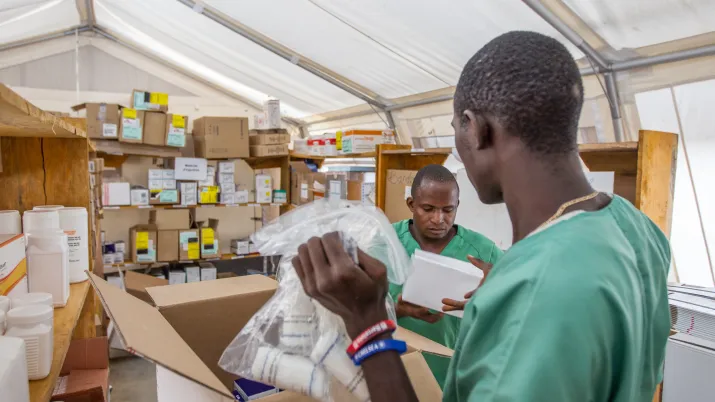
Public infrastructure: a key driver in supporting private players
In situations of vulnerability and crisis, investment in infrastructure by international development institutions can provide a solid base to support the recovery and reconstruction of a State.
Published on