All Private Sector & Development magazine articles
FISEA: venture capital for fragile countries
Facilité d’Investissement et de Soutien aux Entreprises en Afrique (FISEA - Facility for investing in and supporting African business) is one of the first venture capital investment initiatives set up...
Published on
At the forefront of the humanitarian-development-peace nexus, the International Committee of the Red Cross
Together with development agencies and the private sector, the ICRC explores innovative partnering and financing solutions at the humanitarian-development-peace nexus in fragile and conflict-affected...
Published on
How to invest responsibly in fragile and conflict-affected settings?
Fragile and Conflict-affected Settings (FCS) may be characterized by illegal armed groups, organized crime and violence, ethnic and sectarian tensions, inapt land tenure regimes, corruption, and inter...
Published on
The ARIA initiative: enabling DFIs to extend their vital role to Africa’s frontier markets
Development finance across Africa is unevenly distributed, with 25 of its smallest economies receiving only 4% of investments since 2010. Yet, the Africa Resilience Investment Accelerator initiative (...
Published on
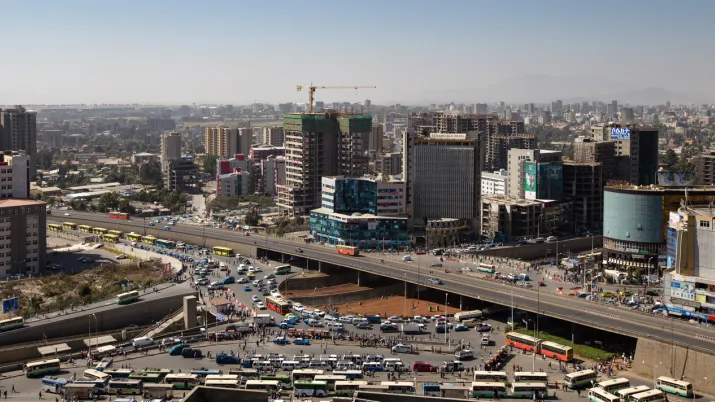
FEFISOL II fund and Entrepreneurs du Monde: two complementary approaches in fragile contexts
The FEFISOL II fund - which supports rural microfinance institutions and agricultural structures - and the Entrepreneurs du Monde association - which works towards the social and economic integration...
Published on
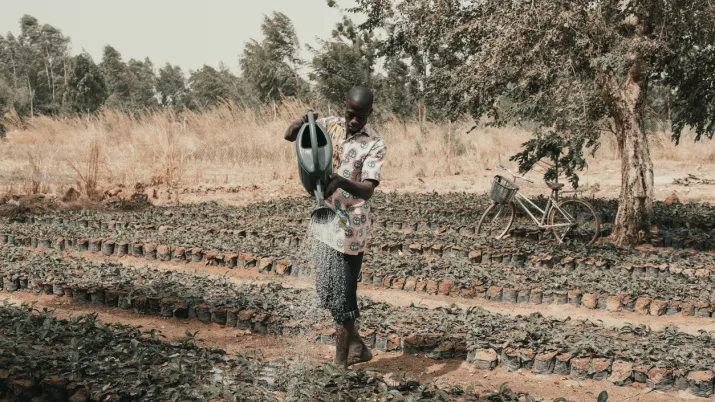
Supporting the agricultural sector in fragile contexts
The financing needs of the agriculture sector in fragile situations are all the more significant as they are poorly covered by commercial banking services. However this finances are essential to suppo...
Published on
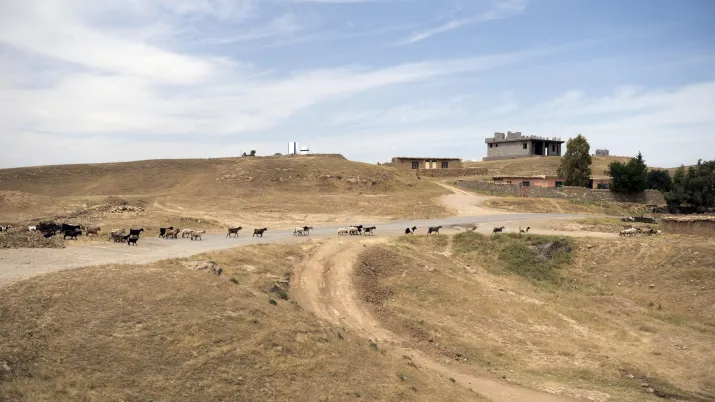
The challenge of energy supply and energy bills in fragile countries: the example of Nigeria
Fragile countries like Nigeria have to contend with a high level of energy insecurity - a result of their many social, economic, security and health challenges. Energy supply solutions are limited for...
Published on
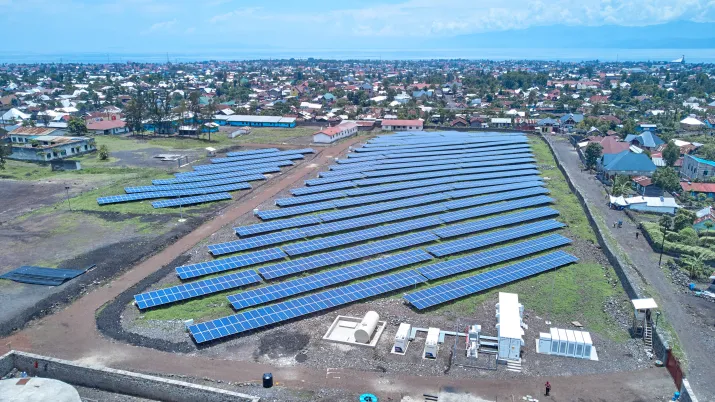
Development finance institutions: how to operate in fragile countries?
Development finance institutions (DFIs) are increasingly called to invest in fragile countries, facing a diversity of challenges linked to security, economic and environmental issues. The private sect...
Published on
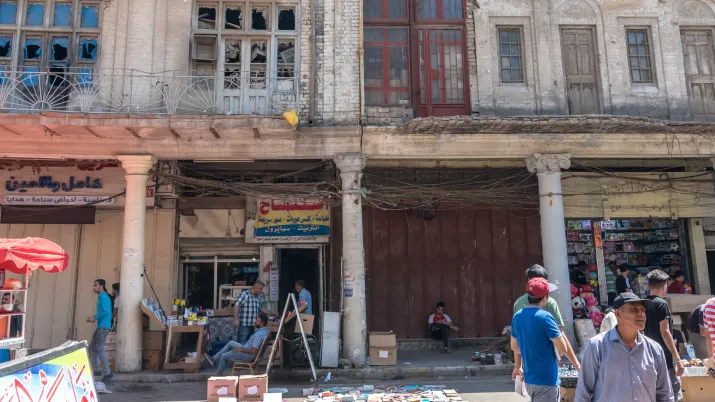
The transformative role of the private sector in forced displacement
The world is currently facing a forced displacement crisis. Forced displacement has shifted in scale, and its increasingly protracted nature calls for development approaches that extend beyond the pre...
Published on
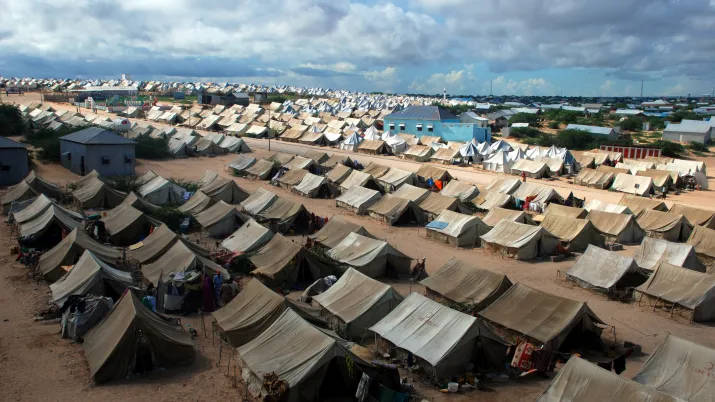
Tackling the dual challenge of urbanisation: support from the private sector
All twenty-first century cities have to both meet the essential needs of their populations and adapt to the effects of climate change. In emerging countries, this dual challenge is being exacerbated b...
Published on

Project preparation funds: an effective solution for unlocking investment in sustainable infrastructure in Afr...
Financing of essential local services and sustainable infrastructure in African cities is not sufficient to meet current demand. Project preparation funds can provide both preliminary technical assist...
Published on
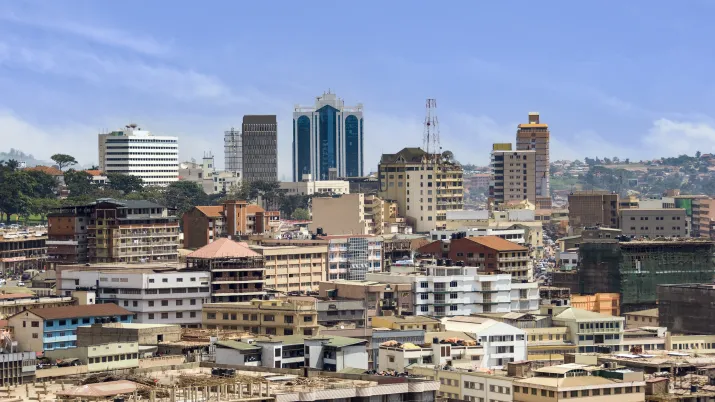
Improving energy efficiency and minimising the effects of climate change in the hospitality sector
Hospitality is one of the most energy-intensive sectors in real estate. In many markets in Africa, energy represents a significant burden on profitability, yet the sector has never fully embraced ener...
Published on

Enabling Africa’s digital transformation with world-class technology
A partnership between Proparco and pioneering digital network and data company WIOCC is contributing to enabling Africa’s digital transformation. The initiative is creating a world-class technology en...
Published on

Implementing Smart Cities in Africa: a project framework
According to the International Telecommunications Union and the UN, a smart city is, “... an innovative city that uses … ICT and other means to improve quality of life, efficiency of urban operation a...
Published on

Financing and supporting the transition to clean public transporation in Colombia
The challenge facing Colombia in its transition to clean energy (including electric) public transportation is largely structural: transportation networks are managed independently by the cities, resul...
Published on
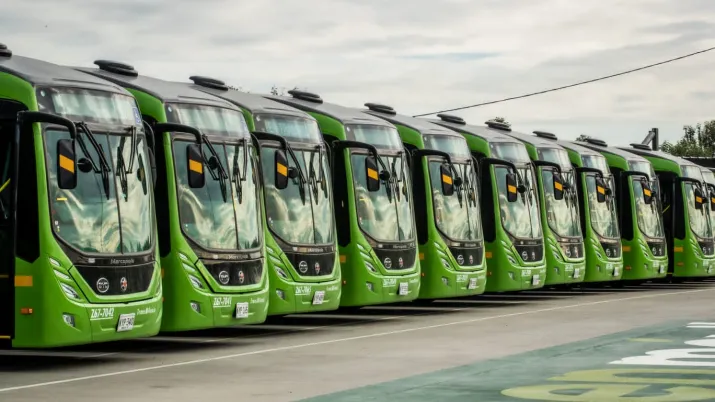
Accelerating the green transformation of cities: role of the private sector
The UN estimates that cities are responsible for 75 percent of global CO2 emissions. If we are to have any hope of keeping to the Paris Agreement and limiting global heating to 1.5 degrees then it’s w...
Published on

Rio de Janeiro deepens engagement in global climate action
As the site of the ’Rio Declaration’ and host of the G20 Summit in 2024, Rio de Janeiro has embraced international objectives with its Plan for Sustainable Development and Climate Action. Two core ini...
Published on

Channelling private sector investment into sustainable urban planning
Cities are critical players in the deployment of inclusive and sustainable public policies. If they are to provide their growing populations with the economic, social and cultural services and resourc...
Published on

The key role of private players in providing access to affordable housing in South Africa
South Africa’s private sector participates in real estate projects that provide low-cost, sustainable housing for the poorest sections of the population and for students. These building programmes red...
Published on

Financing a sustainable future: de-risking innovation through food systems investing
Faced with the negative-dominant impacts of food production, opportunities in sustainable food businesses need to be aligned with the capital available for transformation. To achieve this, they must b...
Published on